AI Search · GEO
When your buyers ask AI who to trust, be the answer
Search is splitting in two. A growing share of decisions now start with a question to an AI — and the model names only a handful of brands. Generative Engine Optimization (GEO) makes sure yours is one of them, built on the same foundations as your SEO, not bolted on beside it.
The shift
Ranking on page one isn’t the finish line anymore
Your customers still use Google. But more of them now ask ChatGPT, Perplexity, Copilot, or Google’s AI Overviews a direct question — and read the answer the model writes back. That answer cites a few sources, not ten. If your brand isn’t in it, you’re invisible at the moment the decision gets made — no matter how well you rank below it.
Fewer clicks, same demand
AI answers resolve the question on the page. The buyer never reaches your site — unless the answer points to you.
Winner takes most
Models cite a short list. Good enough to rank is no longer good enough to be named.
Invisible to your market
Competitors who get cited become the default recommendation. Trust compounds to them, not you.
What GEO is
Generative Engine Optimization, in one sentence
GEO is the practice of structuring your content, data, and authority so AI answer engines cite and recommend your brand.
It doesn’t replace SEO — it extends it to a surface where the result is a sentence, not a ranking. That’s why we run the two as one system.
What we do
Five levers that decide whether AI cites you
We don’t chase novelty. These are what consistently decide whether an engine names your brand — and most are disciplined SEO, aimed at a new finish line.
Make your brand machine-readable
A consistent name, description, and contact details everywhere — plus Organization schema, founder and author signals, and an llms.txt file — so engines read your brand as one clear entity.
Answer-first content
We rewrite your key pages to lead with the answer in the first two sentences — the passages models actually lift — then expand underneath.
Structure built to be quoted
Descriptive headings, lists, comparison tables, and real FAQ blocks with schema, so an engine can pull a clean answer straight from the page.
Authority worth citing
Citations, mentions on credible sites, original data, and named expertise — the signals that raise your odds of being referenced.
Measure what AI says
We track how ChatGPT, Perplexity, AI Overviews, and Copilot describe your brand and category, who they cite, and whether our work changes the answer.
How we run it
From invisible to cited, methodically
- 01
Audit
We baseline your AI visibility, entity health, and content gaps across the major engines.
- 02
Fix the foundation
Entity, schema, llms.txt, and crawlability — the groundwork both SEO and GEO depend on.
- 03
Restructure & publish
Answer-first rewrites of your commercial pages, plus definitive content on the questions your buyers ask.
- 04
Measure & compound
Monthly checks on citations and brand mentions, and we act on what changes the answer.
One system
GEO isn’t a separate budget
AI search runs on the same foundations as your SEO, content, and site. We don’t sell it as a standalone line item or a one-off audit — it’s part of how we run a modern search programme, connected to your website, your content, and the rest of your revenue system. That’s why it works, and why it compounds.
How we approach search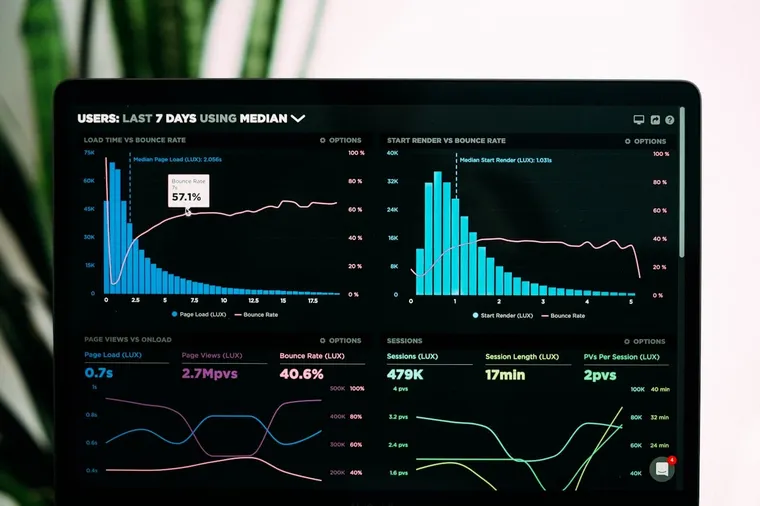
Straight talk
This is early — and we’ll tell you the truth about it
AI search is new for everyone. We won’t promise a number we can’t stand behind. What we will do is run it with the same discipline as the rest of your system, show you exactly how engines describe you today, and report what our work changes. Early, consistent presence is what compounds — so the brands that start now are the ones AI defaults to later.
Questions
AI search, answered
Is GEO different from AEO?
They overlap heavily. AEO (Answer Engine Optimization) focuses on winning direct answers and snippets; GEO focuses on being cited inside AI-generated responses. We run them together — the underlying work is nearly identical.
Does this replace our SEO?
No. GEO is built on SEO foundations. Weak technical health, thin content, or no authority hold both back. We run them as one system, not two budgets.
How long until it works?
Expect early movement — branded answers and entity recognition — within weeks, with broader citation visibility compounding over three to six months as engines build trust in your brand as a source.
How do you measure it?
By tracking citations and brand mentions across ChatGPT, Perplexity, Google AI Overviews, and Copilot, plus referral traffic from those engines — not keyword rankings alone.
Does it work in our language and market?
Yes. We work natively in English, Swedish, German, and Thai, across Europe, Asia-Pacific, and beyond — so your AI visibility is built in the language your customers actually ask in.
Who is this for?
Established businesses with proven demand whose buyers are starting to research with AI. If that is already happening in your market, the cost of being absent rises every month.
Find out whether AI recommends you — or your competitor
Start with a conversation, or get a Growth Audit that covers your search and AI-search visibility alongside the rest of your revenue system.